




























NEW PRODUCT REPORT
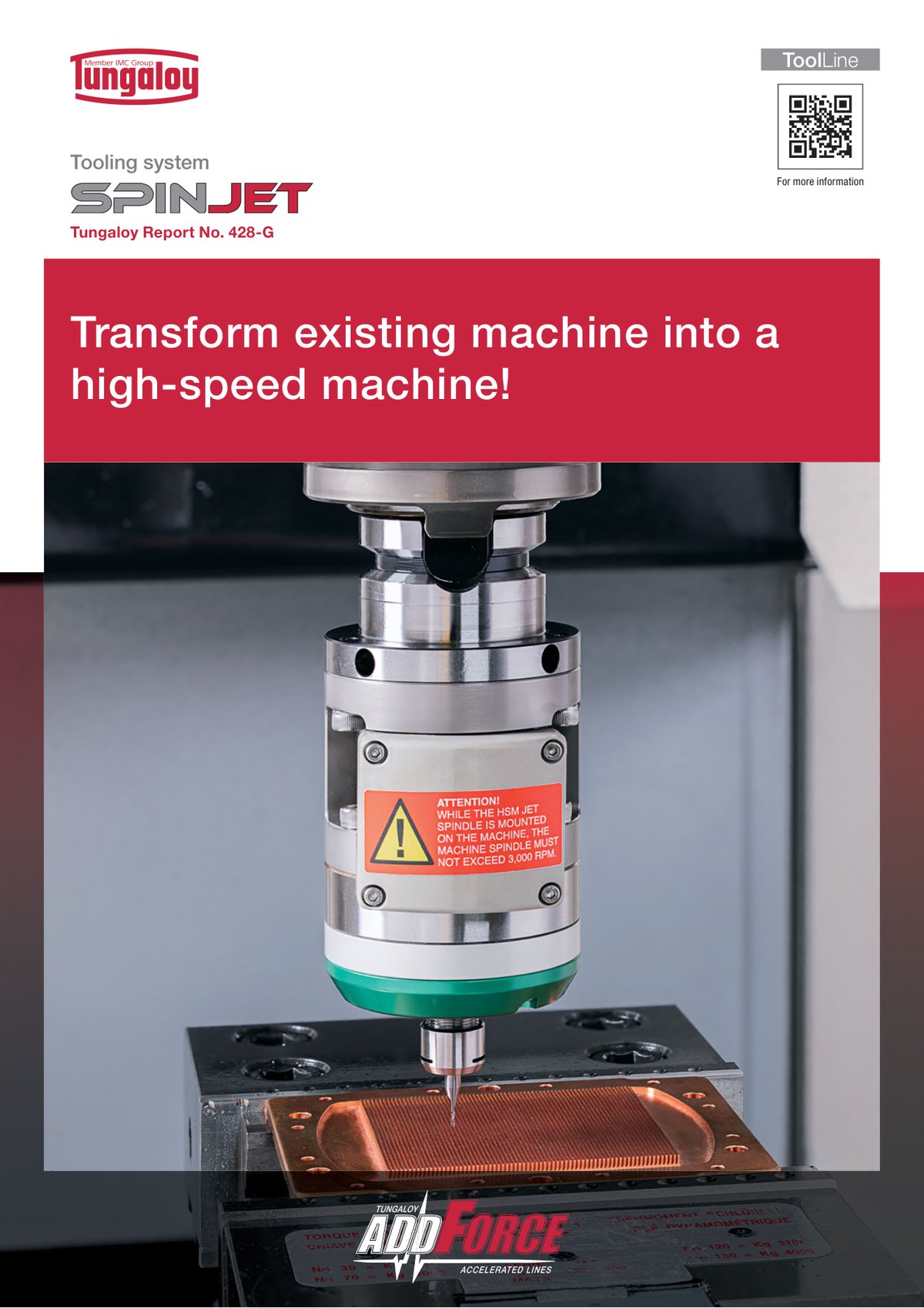
Tungaloy SPINJET — Report No. 428-G
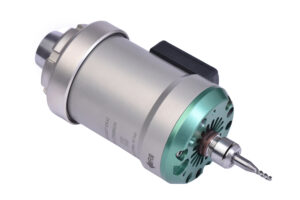
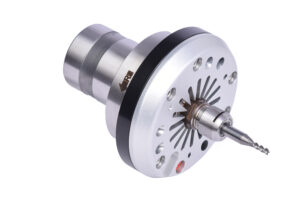
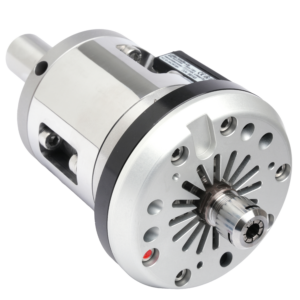
Tungaloy has published a new SPINJET report, and it is now on our product
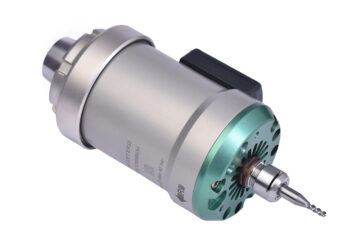
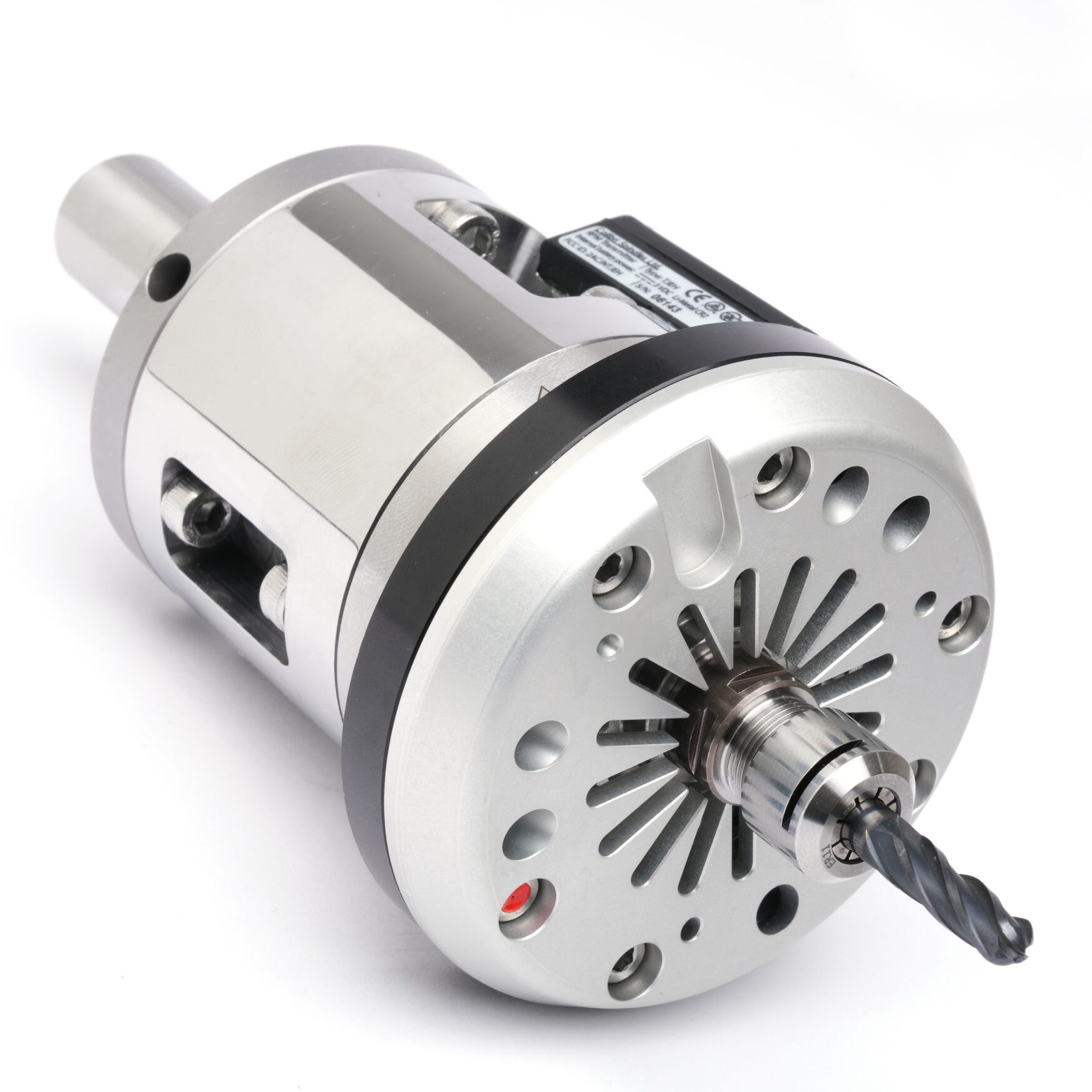
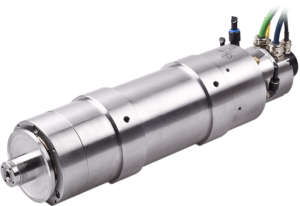
literature page. SPINJET is Tungaloy’s name for the Colibri high-speed jet
spindle, and this edition covers the full range for the first time —
including POWER Jet, the TR replaceable cartridge, and rpm monitoring from your
phone.
If your machine tops out at 10,000 or 12,000 rpm and you are cutting with
small-diameter tooling, this is the document to read. Tungaloy put the argument
on the cover: “Transform existing machine into a high-speed
machine.”
DOWNLOADS
- Tungaloy SPINJET Report No. 428-G (PDF, 1.8 MB)
- Colibri Jet Spindles Catalog 2026 (PDF, 11.8 MB)
SPINJET on Tungaloy’s own site:
tungaloy.com — SpinJet tooling system
WHAT’S NEW
POWER Jet, across every adaptation. The high-pressure model
now appears in every shank type in the range. It runs on 1.5–7 MPa
(15–70 bar) at a minimum of 10 l/min, turns
20,000–45,000 rpm, and takes tooling from ø0.3 mm —
so it covers drilling and milling that the higher-speed model cannot.
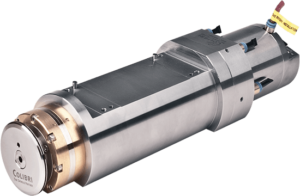
The TR replaceable cartridge. The drive unit is now a
cartridge. If it ever fails you replace the cartridge rather than the whole
spindle, and a single spare covers several different interfaces — useful
if you run SPINJET on more than one machine.
Bluetooth rpm monitoring, with no display to buy. The new
Bluetooth RPM transmitter (Tungaloy order code TJSSPEEDTAGBLE) sends live rpm straight to a free app on your phone,
iOS or Android, at up to 5 m. The dedicated display is no longer required.
Units with the older black transmitter can be upgraded by fitting the new
one.
THE TWO MODELS
SPEED Jet (Tungaloy S JET) — the high-rpm model.
2–4 MPa (20–40 bar), minimum 12 l/min,
33,000–55,000 rpm.
Drills ø0.5–2 mm, milling cutters
ø1.5–3.5 mm.
POWER Jet (Tungaloy P JET) — the high-pressure,
higher-torque model.
1.5–7 MPa (15–70 bar), minimum 10 l/min,
20,000–45,000 rpm.
Drills ø0.3–2 mm, milling cutters
ø0.3–3.5 mm.
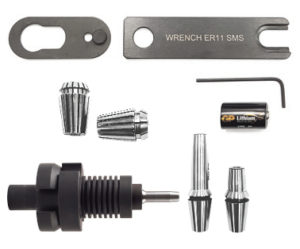
Both clamp through an ER11 collet, with AA collets covering
ø0.5–7.0 mm at 0.005 mm run-out.
IT FITS THE MACHINE YOU ALREADY HAVE
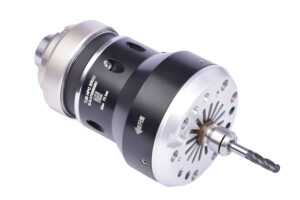
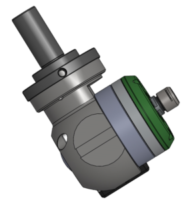
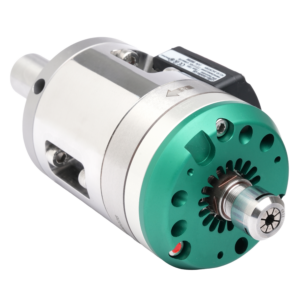
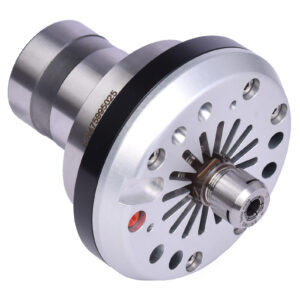
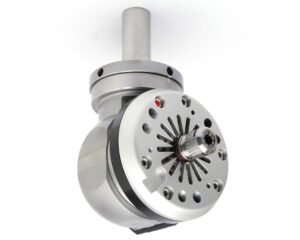
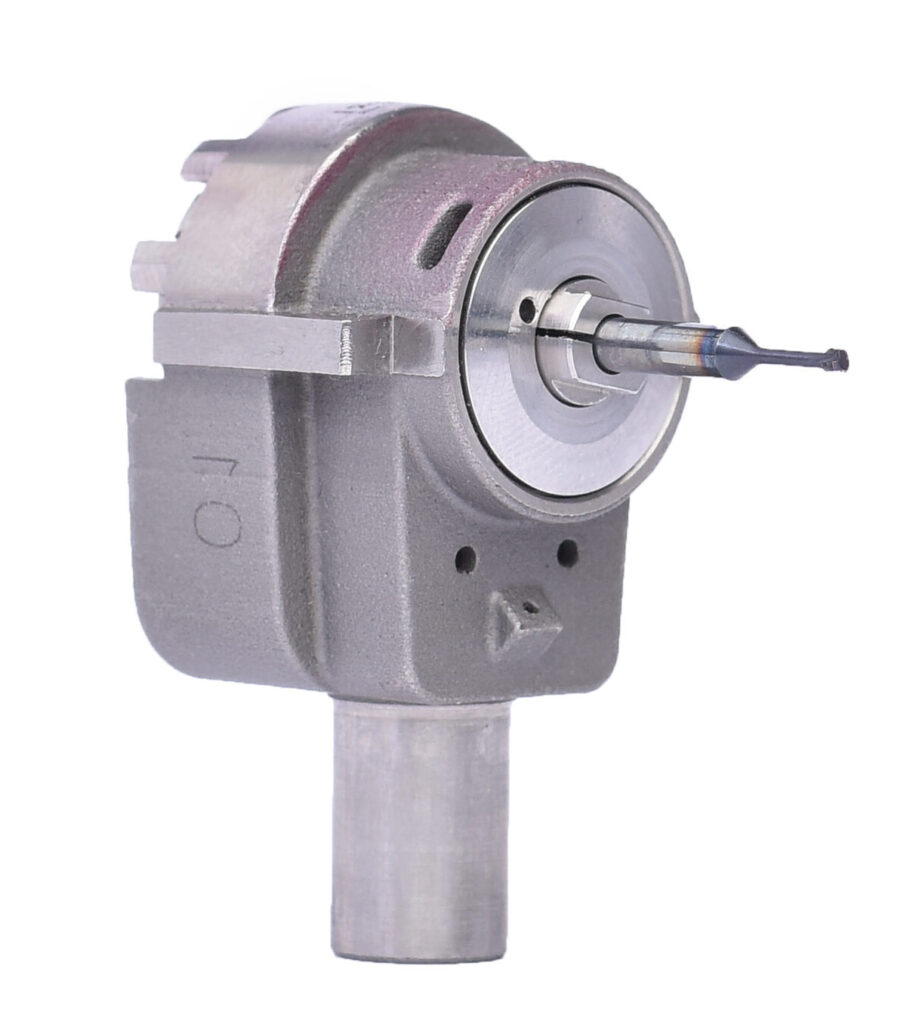
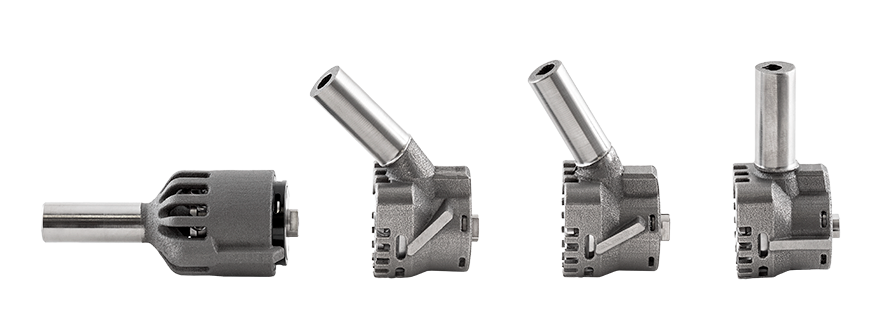
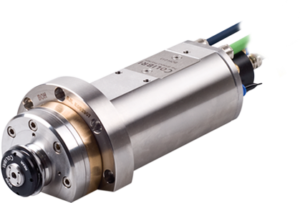
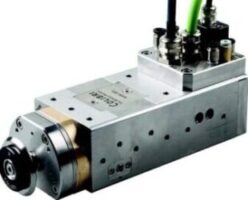
The report lists eight adaptations: ER32, BT30 and BT40, HSK-A40 and HSK-A63,
TungCap PSC C5 and C6, SK DIN 69871-40, a straight ø20 mm shank,
a 90° head, and the TR cartridge. Units weigh 1.0–2.7 kg.
That weight matters more than it sounds. A SPINJET is light and compact enough
to sit in the tool magazine and be loaded by the ATC like any other tool, which
is what makes it usable on an unmanned production line rather than only as a
set-up-and-watch operation.
HOW IT WORKS
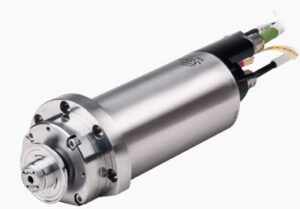
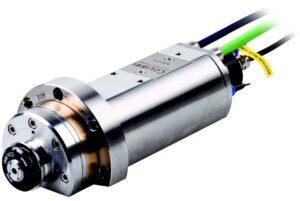
The spindle has no motor and no cables. The high-pressure coolant already being
pumped through the machine spindle drives a turbine, and the turbine drives the
tool. The machine spindle itself stays locked while the jet spindle is cutting
— the report is specific about using the correct M-code for this.
The same high-pressure coolant that drives the spindle is also jetting
directly at the cutting edge, which is why tool life and stability tend to
improve rather than suffer at these speeds.
Tungaloy’s own headline claim in the report is that productivity
quadruples with small-diameter tooling on rpm-limited machines.
WANT TO KNOW IF IT FITS YOUR JOB?
Page 19 of the report is an applicability form — machine, the
high-pressure coolant it can deliver, tool diameter, current cutting
conditions. Fill it in and
send it to us and we will tell
you whether a high-speed jet spindle suits the application, and which model.
You can also browse our
jet spindle case studies
— fourteen trials on customer parts, with the cutting data for each one
— or the full
high-speed jet spindle
catalog.